
Packaging Innovations: Reducing Food Waste in Cross-Border Trade
In international trade, the journey of bulk agricultural commodities from farm gates to distant port terminals is filled with physical and environmental hazards. Food loss during ocean freight operations remains a massive operational vulnerability for exporters. Single-layer jute sacks and basic woven polypropylene (PP) bags were long considered the industry standard. However, under the harsh stresses of multi-week ocean voyages, these basic packaging materials fail to shield sensitive grains, pulses, and oilseeds from moisture shifts, mechanical stress, and ambient humidity spikes.
Having spent decades managing international commodity lines at STOXXNOW, I have seen how poor packaging choices convert prime agricultural harvests into write-offs. A single tear in a low-grade sack or localized condensation inside an ocean container can ruin tons of high-grade cargo. Tackling cross-border food waste requires moving away from outdated bags and adopting multi-layer, climate-resilient packaging systems.
The Macroeconomic Reality of Agricultural Loss in Transit
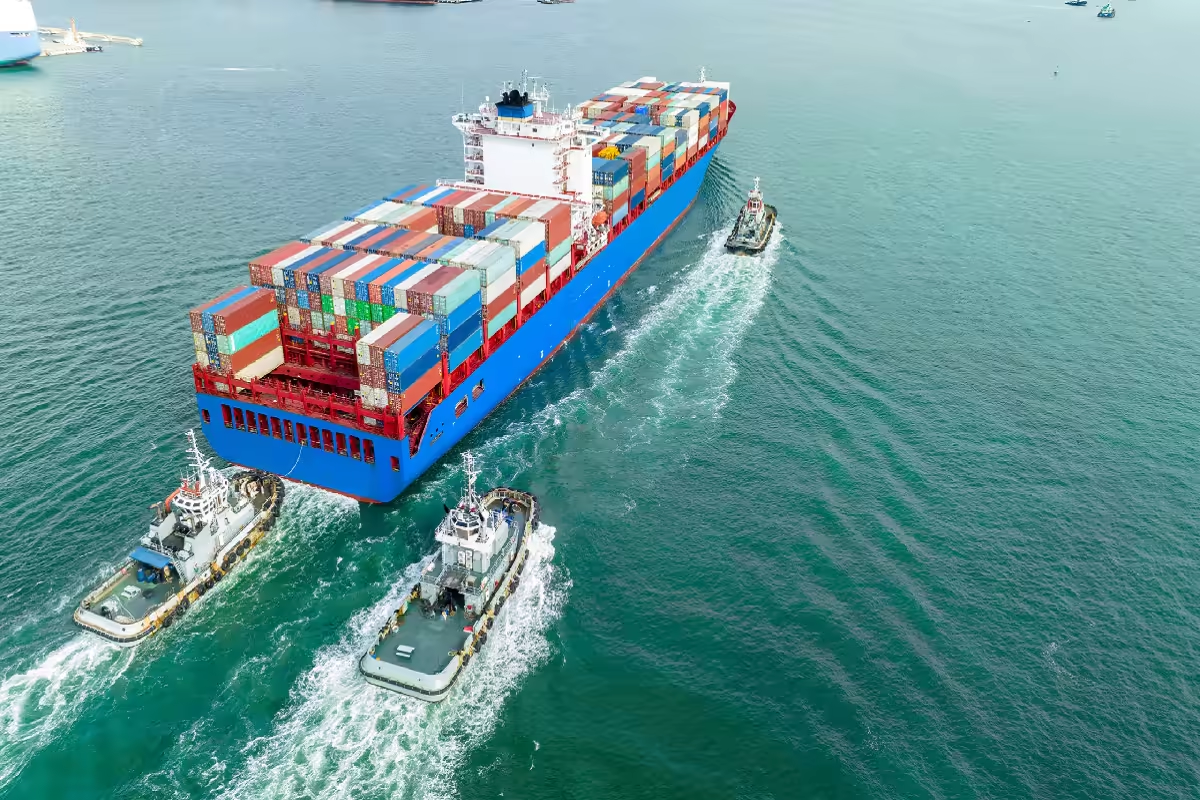
Global food security and agricultural economics are deeply intertwined with the efficiency of our supply chains. According to international agricultural logistics data, roughly 14% of the world's food is lost between the post-harvest stage and the retail market, with a notable percentage occurring directly during long-haul maritime transport and cross-border handling. When moving commodities such as wheat, rice, soybeans, lentils, and corn across oceans, exporters face intense financial risks if the cargo degrades.
The financial impact stretches far beyond the direct cost of the lost grain. It encompasses wasted fuel, squandered agricultural inputs like water and fertilizers, high marine insurance claim settlements, and severe reputational damage with international buyers. In competitive global markets, a single spoiled container can terminate a long-standing supplier contract. Therefore, treating packaging as a strategic asset rather than a mere commodity expense is essential for modern export houses.
The Physics of Cargo Damage in Ocean Freight
To prevent product loss during maritime transport, exporters must understand the mechanical and environmental stresses placed on packed commodities inside dry-van containers:
- Dynamic Load Shifting: During ocean voyages, cargo containers endure constant vibration, rolling, and pitching from rough seas. Standard single-ply bags frequently burst under high stack pressures, leading to floor spillage and widespread contamination.
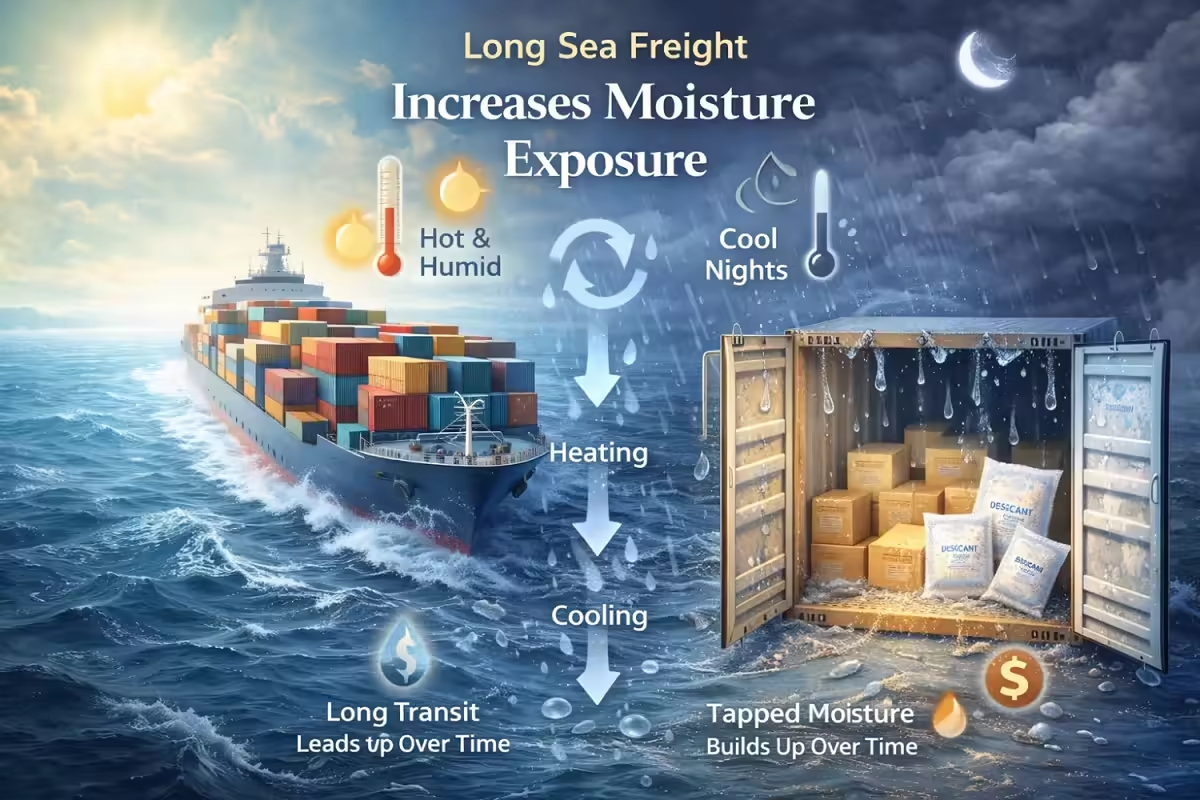
- Container Sweat (Thermal Condensation): As vessels transit across varying climate zones—such as moving from tropical ports to temperate destination hubs—air inside sealed steel containers rapidly warms during the day and cools at night. Condensation droplets form on container ceilings and drip directly onto the top layers of cargo.
- Oxidative Degradation: Oxygen ingress through porous bag weaves accelerates fat breakdown in oilseeds and causes color fading in delicate pulses, lowering their market value and shelf life.
- Microbial Proliferation: Unregulated humidity pockets inside containers create breeding grounds for molds and fungi, which can synthesize dangerous mycotoxins and result in total cargo condemnation by customs and quarantine authorities.
Engineering Advanced Multi-Layer Barriers
Modern packaging innovations combine structural strength with active micro-climate regulation. High-density Flexible Intermediate Bulk Containers (FIBCs), or super sacks, built with internal anti-bulge baffles, allow precise container loading while preventing shift damage during transit.
Furthermore, deploying co-extruded multi-layer inner liners equipped with ethylene vinyl alcohol (EVOH) gas barriers transforms standard bulk shipping. These multi-layer liners create an airtight environment that keeps ambient relative humidity low and prevents oxygen from entering. By maintaining internal oxygen levels below 1%, insect pests are suppressed naturally without requiring chemical fumigants, preserving organic compliance throughout the trip.
Comparative Analysis: Traditional Packaging vs. Modern Barrier Systems
| Performance Metric | Traditional Jute / Woven PP Sacks | Advanced Multi-Layer Barrier Packaging |
|---|---|---|
| Average Spoilage Rate | 4.5% to 8.0% per shipment | Less than 0.1% per shipment |
| Moisture Protection | None (absorbs ambient humidity) | Hermetic seal with active desiccant integration |
| Pest Control Requirement | Heavy chemical fumigation needed | Natural modified atmosphere (low oxygen suppression) |
| Structural Durability | Prone to tearing under shifting loads | High tensile strength with anti-bulge baffles |
Active and Smart Packaging Technologies
The modern agro-export sector is moving toward active packaging systems that interact directly with internal container atmospheres. Rather than acting as passive containers, these smart materials dynamically respond to physical and chemical changes inside the cargo hold.
- Desiccant-Integrated Liners: Incorporating high-absorption calcium chloride strips directly into multi-layer bag walls traps excess moisture before sweat can condense on the cargo.
- Selective Gas-Permeable Valves: Custom one-way breathability valves allow natural respiration gases (like carbon dioxide) to escape while completely preventing external water vapor and moisture from entering.
- Light-Blocking UV Absorbers: Adding specialized opaque compound layers blocks UV light and radiant solar heat from penetrating container walls, preventing oil rancidity in groundnut and sesame consignments.
- Time-Temperature Indicators (TTIs): Smart adhesive labels applied to master pallets provide visual confirmation if the cargo experienced unacceptable thermal spikes during port storage or custom holds.
What Better Packaging Changes for Sesame and Pulse Shipments
Sesame seeds are a good example of why packaging choice matters: they're highly prone to rancidity from oxidation and moisture migration, and a shipment that picks up humidity mid-voyage can show visible mould spotting and yellowing by the time it's unloaded. This is one of the reasons we favour hermetic multi-layer barrier liners combined with food-grade desiccants for oil-bearing seeds and pulses, rather than standard single-ply bags.
The mechanism is straightforward: a properly sealed hermetic liner keeps internal relative humidity well below the threshold where mould and insect activity accelerate, regardless of whether the vessel is crossing humid equatorial routes or colder terminal weather further north. The trade-off is a higher packaging cost per shipment, which is usually justified for higher-value or moisture-sensitive commodities and less necessary for hardier grains.
Regulatory Compliance and Sustainability Pressures
Beyond loss reduction, exporters face mounting regulatory pressures from destination markets regarding packaging waste and environmental sustainability. Import regulations in the European Union, North America, and parts of Asia increasingly penalize single-use plastics and non-recyclable composite materials. Modern packaging engineering must therefore balance high barrier performance with circular economy principles.
Innovators are developing bio-based polymers, biodegradable barrier coatings, and mono-material structures that offer the airtight protection of multi-layer plastics while remaining fully recyclable or compostable. Adopting these eco-friendly innovations helps exporters comply with strict international environmental standards and appeal to eco-conscious global consumers.
Economic Returns of Quality Packaging Engineering
Upgrading from basic jute or single-ply plastic bags to multi-layer barrier packaging requires a higher upfront cost, but transit losses from moisture damage, pest ingress and physical crushing are consistently cited across the industry as one of the larger avoidable costs in bulk agri-export — recovering even a few percentage points of a shipment's value usually outweighs the added packaging spend.
Standardized, high-integrity packaging also tends to speed up handling at destination ports and reduce manual labour during unloading, since customs and buyers alike associate clean, intact packaging with well-handled cargo.
Related Reading: Meeting international phytosanitary rules is essential for smooth ocean freight deliveries. Here is how proper documentation prevents delays at destination ports .
Export tariffs and seasonal weather shifts impact global rice pricing. Here is how agricultural exporters navigate market changes to secure supply contracts .
Future Outlook: The Digitalization of Cargo Packaging
Looking ahead, the intersection of advanced packaging materials and Internet of Things (IoT) technology will further revolutionize cross-border agricultural logistics. Real-time sensor tags embedded within packaging liners will track internal temperature, relative humidity, shock levels, and gas composition throughout the entire maritime journey. Exporters and buyers will be able to monitor cargo health via cloud dashboards, allowing preemptive interventions before minor micro-climate shifts transform into major cargo losses.
As global trade grows increasingly competitive and climate volatility intensifies, investing in smart, multi-layer, and sustainable packaging innovations is no longer optional. It is the defining differentiator for agricultural enterprises committed to eliminating food waste, ensuring food safety, and building resilient international supply chains.